

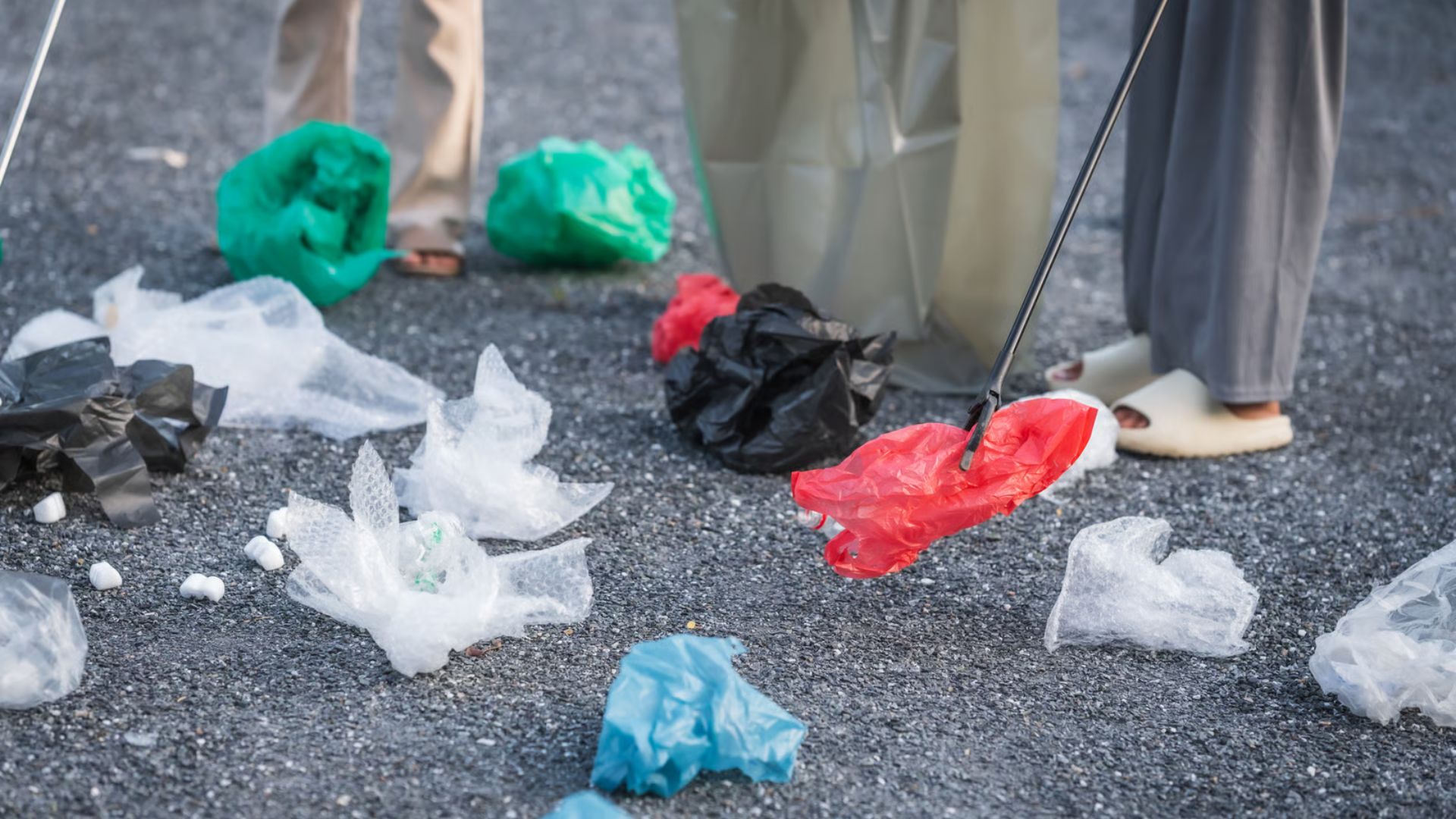






The Climate Change Commission (CCC) is expanding its anti-plastic advocacy from periodic awareness campaigns to a sustained push for behavior change and systemic reform.
In a news release Wednesday, CCC Vice Chairperson and Executive Director Robert E.A. Borje said through its “Bawal Plastik Dito” (plastic is banned here) online campaign, the agency emphasized that reducing reliance on disposables is essential to strengthening climate resilience, particularly in the Philippines, which remains highly vulnerable to climate-related disasters.
He said the campaign underscores the need to treat plastic pollution as part of the broader climate agenda.
“Single-use plastics are not just a waste issue, they are a climate issue. From production to disposal, plastics contribute to emissions, degrade ecosystems, and place additional burdens on communities already exposed to climate impacts,” Borje said.
Riding on the momentum of January’s Zero Waste Month, and on its earlier “Bawal Plastik Dito” sticker-pack initiative, the CCC has transformed the campaign into a year-long digital information drive designed to move public engagement beyond clean-up activities and toward concrete, everyday actions that reduce dependence on single-use plastics (SUPs).
The agency, through a series of informational and interactive materials on its online platforms, aims to reinforce message recall, encourage responsible consumption, and promote sustainable alternatives to disposable plastics.
“Reducing our dependence on disposability is a necessary step toward building climate resilience,” Borje said.
The expanded campaign also supports the implementation of existing plastic waste policies by translating national commitments into practical and actionable guidance for individuals, communities, and institutions.
The CCC stressed that addressing the worsening plastic pollution ultimately requires rethinking consumption patterns and redesigning systems that currently depend on disposability, aligning development pathways with long-term environmental sustainability.
These solutions, Borje said, are within reach but require collective action.
“By encouraging practical choices and supporting systemic change, we can reduce plastic pollution while advancing climate adaptation and ecological protection,” he said. (PNA)